
Google’s new agentic search: what you need to know as a business
Google's shift from traditional search to agentic search represents a fundamental transformation in how information is accessed and utilized. Traditional search engines function primarily as...
Agentic Search: Beyond Simple Query-Response
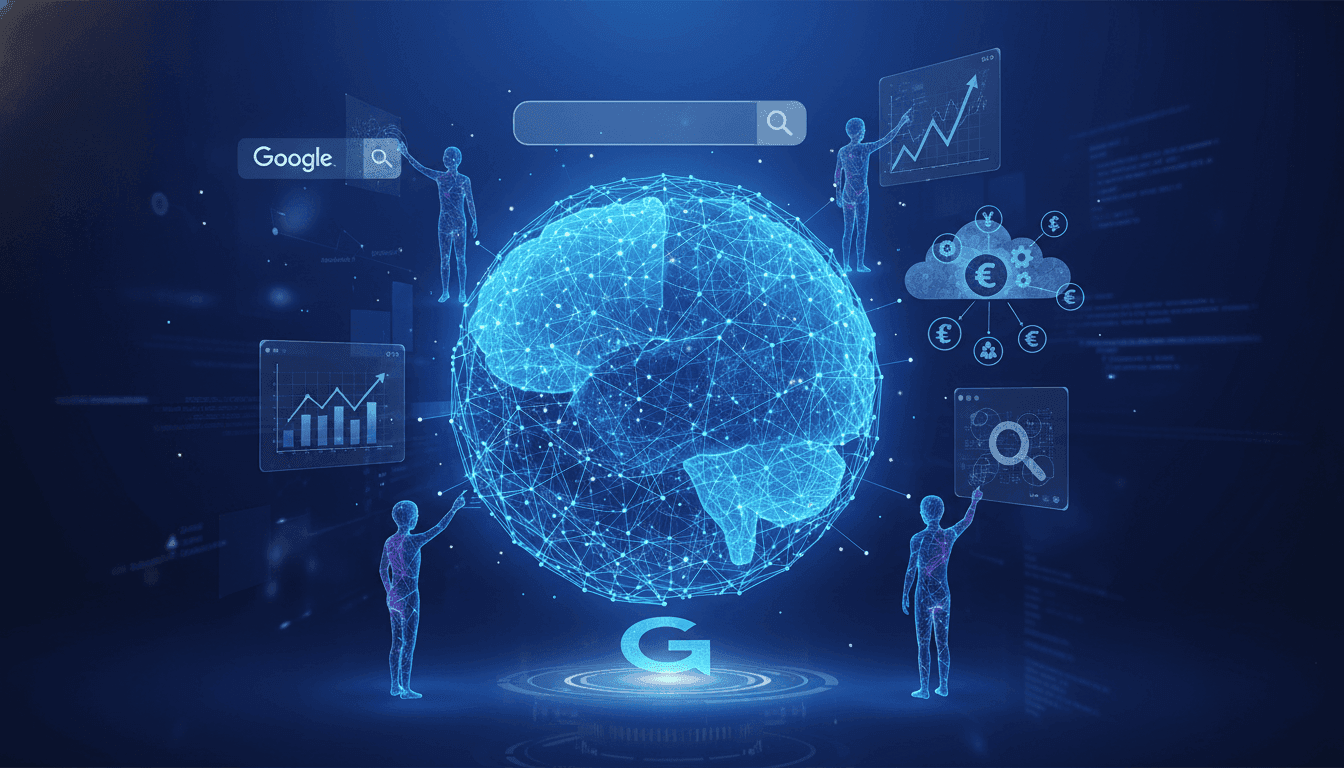
Google's shift from traditional search to agentic search represents a fundamental transformation in how information is accessed and utilized. Traditional search engines function primarily as a tool for delivering a list of links based on a user's query. Users are then required to sift through these links to find the information they need. However, agentic search goes beyond this simple query-response model. In an agentic search environment, Google acts more like an autonomous agent, actively engaging in complex, multi-step tasks on behalf of the user. This includes interpreting the intent behind a query, executing tasks, and providing direct solutions rather than just directing users to other resources.
The term 'agentic' underscores the proactive nature of this search model. Instead of merely pointing users toward content, Google’s agentic search seeks to resolve problems and deliver outcomes. This evolution is integral to optimizing for AI overviews, as it necessitates a deeper understanding of user intent and context. Businesses must adapt to this new reality by considering how their content can be utilized by AI to perform tasks rather than simply appear in search results. As a result, understanding what agentic search is and preparing for its implications is crucial for staying competitive in a rapidly changing digital landscape.
The Death of the Ten Blue Links: How SEO is Morphing
The era of relying on ten blue links is fading as Google's agentic search shifts the focus from merely ranking for keywords to optimizing for comprehensive answers. Businesses that continue to employ outdated SEO tactics like keyword stuffing or producing thin content risk becoming invisible in this new landscape. Instead, the emphasis is on creating content that is rich in information gain, structured data, and adheres to Google's E-E-A-T (Experience, Expertise, Authoritativeness, and Trustworthiness) guidelines. This transformation demands a strategic pivot from traditional practices to a more nuanced approach where search agents summarize the web, favoring content that delivers clear, concise, and authoritative answers.
Prioritizing Information Gain
In the realm of agentic search, information gain is the new king. Original research, unique insights, and proprietary data now form the core of content that maintains visibility in AI-driven outputs. Instead of repeating what is already available, businesses need to provide fresh perspectives and data-backed insights. This not only enhances the perceived value of your content but also aligns with the agent's goal of delivering the most relevant and informative responses to users' queries. By prioritizing information gain, companies can differentiate themselves and stand out in a crowded digital landscape.
Structured Data as the New Currency
Structured data, particularly schema markup, has become essential in helping search agents understand the intricacies of your business operations, services, and products. Rather than sifting through dense blocks of text, agents rely on structured data to quickly and accurately interpret and index your site’s content. This precision allows businesses to be more effectively represented in search results, offering a competitive edge in visibility. By implementing robust schema markup, businesses can ensure their information is accessible and comprehensible to AI agents, enhancing the likelihood of being featured prominently in search results.
Strategic Advantages: How to Become the Agent’s Preferred Source
To become the preferred source for AI agents in the evolving landscape of agentic search, businesses must focus on crafting content that is clear, direct, and authoritative. Establishing oneself as the definitive source requires a strategic approach to content creation and optimization. By doing so, businesses can effectively 'train' AI agents to recognize and prefer their content when performing multi-step reasoning.
Clarity and directness are essential. Content should be concise and straightforward, avoiding unnecessary jargon. This not only aids AI in processing information quickly but also ensures that the content is accessible and useful for end-users. Utilizing structured data and schema markup can further assist in making content easily digestible for AI algorithms.
Establishing authority involves creating content that is not only informative but also credible. Citing well-researched data and authoritative sources can bolster a business's standing as a reliable resource. Consistently updating content to reflect the latest industry developments and insights helps maintain this authoritative presence.
Being the 'definitive source' means that when AI agents seek a factual anchor, your content is the go-to reference. This can be achieved by developing comprehensive overviews on relevant topics, ensuring that your content covers all necessary facets comprehensively. By focusing on these strategic advantages, businesses can effectively optimize for AI overviews, positioning themselves at the forefront of the agentic search revolution.

Preparing Your Technical Infrastructure for AI Agents
To maximize the benefits of agentic search, businesses need to adapt their technical infrastructure. This involves several key changes to ensure AI agents can effectively interact with your digital presence. Optimizing for AI overviews requires making your website easily accessible to web-crawling bots. This means utilizing clean, semantic HTML and ensuring your site is fully indexable. Implementing structured data can help agents understand your content contextually, enhancing your visibility in AI-driven search results.
Page load speed is another critical factor. AI agents rely on quick access to data, so optimizing your site for fast load times is essential. Minimize server response times, leverage browser caching, and use content delivery networks (CDNs) to distribute your content globally. Compress images and streamline your code to reduce load time further, ensuring that agents can process your data efficiently.
Finally, maintaining a consistent brand identity across all digital touchpoints is vital. AI agents will assess your brand's presence across various platforms, so ensure your messaging, logos, and overall aesthetic are aligned and easily recognizable. This consistency helps reinforce your brand identity and makes it easier for agents to associate your content with your business. By taking these steps, you position your business as a reliable source for AI agents navigating the new search landscape.
The Future of Customer Acquisition in an Agent-First World
The emergence of agentic search is transforming the landscape of customer acquisition. In this new paradigm, AI agents handle much of the preliminary research, leading users to engage with businesses later in their decision-making process. This shift necessitates a rethinking of traditional marketing funnels, focusing on capturing high-intent, agent-referred traffic. Businesses must adapt by recognizing that these interactions are not about sheer volume but rather about quality leads that are primed to convert.
To effectively capture this traffic, companies need to optimize for AI overviews. This involves ensuring that key information about products and services is presented clearly and concisely so that AI agents can easily access and relay this data to users. Crafting content that aligns with the specific queries and needs of these agents is crucial. By doing so, businesses position themselves as preferred resources in the eyes of AI, which significantly enhances the likelihood of being recommended to users.
Engagement strategies should prioritize personalized experiences for these high-intent visitors. Once an agent-referred user arrives at a business's platform, they are often ready to make a decision. Providing detailed information, seamless navigation, and compelling calls to action can help convert these potential customers efficiently. Additionally, leveraging technology like chatbots and personalized recommendations can further enhance the customer journey, ensuring that the transition from AI agent to business interaction is smooth and effective.
As businesses transition to this agent-first world, embracing data analytics is vital. Understanding which aspects of your offerings resonate best with AI agents can guide future strategies. By moving beyond traditional traffic metrics and focusing on conversion rates and customer satisfaction, businesses can thrive in this evolving ecosystem.