
5 Mistakes AI Makes – and What You Need to Know as an Entrepreneur
One of the most insidious problems with artificial intelligence is the phenomenon of "confident hallucinations." This occurs when AI systems present incorrect information in a way...
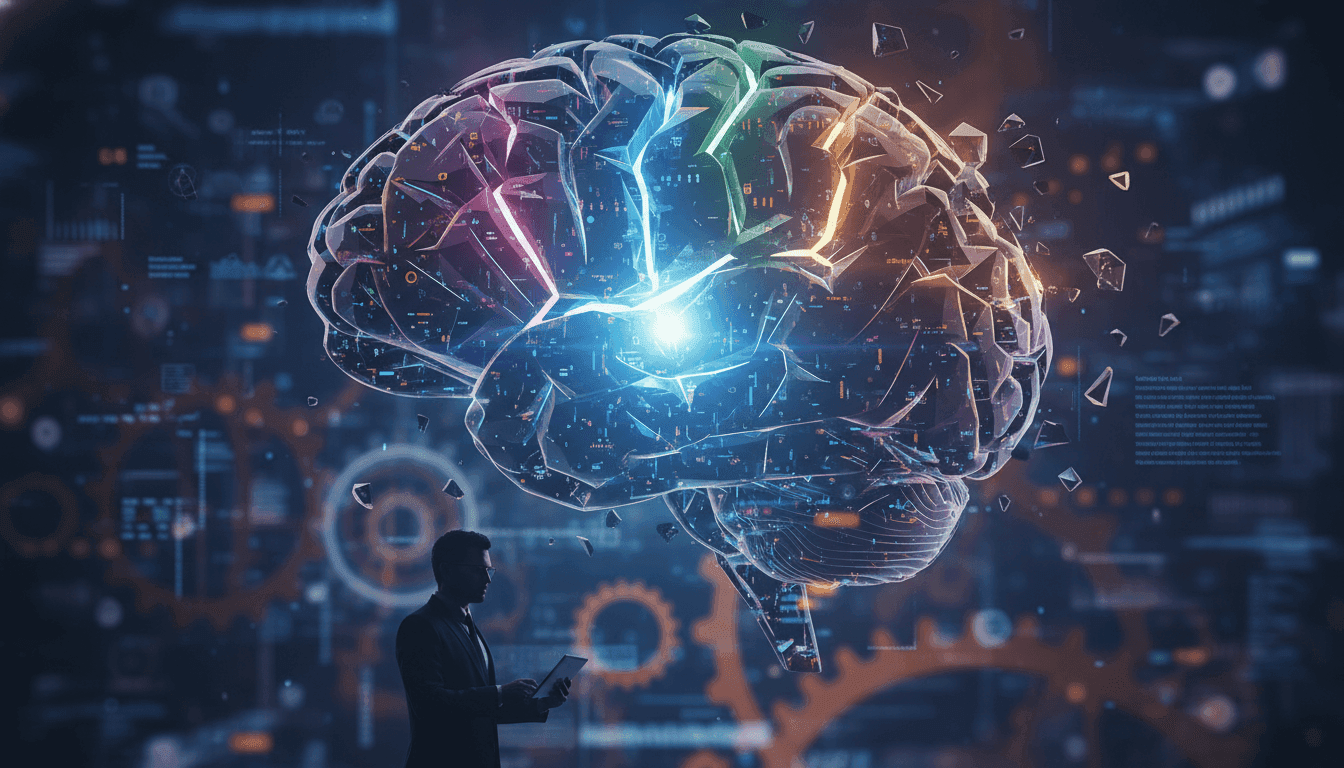
The biggest pitfall: AI sounds so certain—but is that really justified?
One of the most insidious problems with artificial intelligence is the phenomenon of “confident hallucinations.” This occurs when AI systems present incorrect information in a way that comes across as convincing and authoritative. For entrepreneurs, this can be disastrous, especially when quick decisions are needed. If an AI system confidently provides an incorrect analysis or recommendation, this can lead to poor strategic choices, costly financial decisions, or damage to the company’s reputation.
Technically speaking, these confident hallucinations arise because AI systems lack true “knowledge” or “understanding.” They are trained on large amounts of data and base their responses on patterns they recognize within it. When the underlying truth is missing or the context is misunderstood, the AI can therefore generate convincing but incorrect information. This lack of deep understanding and the tendency to present errors with certainty pose a significant challenge for entrepreneurs seeking to integrate artificial intelligence into their business processes. It is crucial to remain critical and ensure human oversight to mitigate these risks.
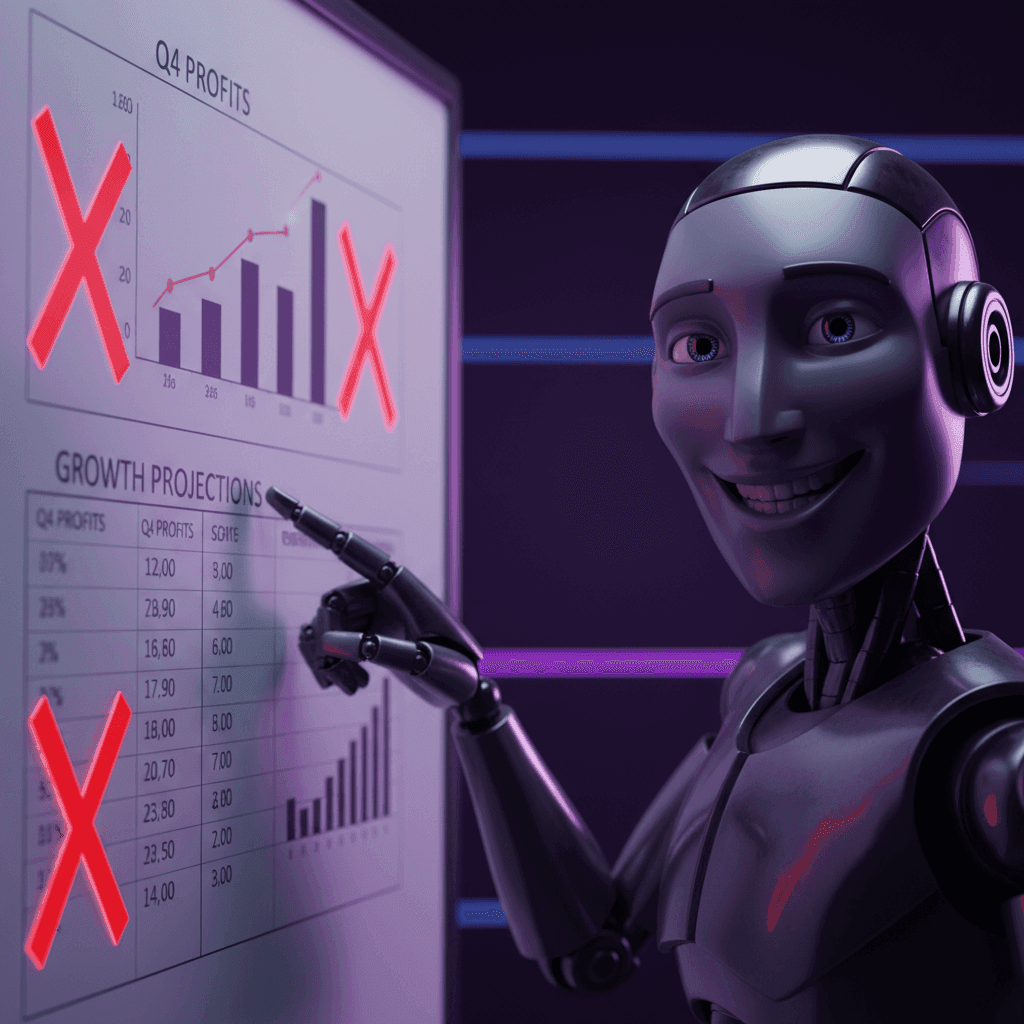
AI doesn't (yet) have common sense: the failure of 'common sense'
AI systems can be impressive, but they often lack a crucial human trait: common sense. This shortcoming means that artificial intelligence cannot always assess everyday situations logically. This can lead to absurd and sometimes dangerous business advice. In practical applications such as customer service or operational planning, this can lead to inefficiencies or even serious errors. That is why it is essential to understand how AI can fail and how entrepreneurs can protect themselves against this.
The example that explains it all: absurd advice based on data
Imagine that an AI algorithm, based on historical data, suggests increasing sales by closing the store every day. This seems absurd, but it could stem from a misinterpreted pattern in which sales rise after a day the store is closed, perhaps due to scarcity effects. Another example is an AI that recommends improving customer service by ignoring customers, simply because the data shows a correlation between fewer interactions and higher customer satisfaction, without understanding the underlying causes. These bizarre suggestions illustrate how AI can operate without common sense and why human intervention is necessary.
What this means for your business processes
To minimize the drawbacks of artificial intelligence, it is crucial for business leaders to always incorporate a human sanity check into AI output. This is especially true for processes that rely heavily on context or implicit rules, such as logistics, HR, and customer interactions. By applying a human perspective to the recommendations and decisions, companies can prevent AI “hallucinations” in a business context and limit risks to their operations. Ensure that AI remains a tool and not an autonomous decision-making mechanism.
Outdated knowledge and blind spots: why the "training date" is crucial
AI models are trained on datasets collected up to a specific point in time, which means they have no knowledge of events and trends that occur after that date. This phenomenon is known as the “training cutoff date.” As a result, AI often provides outdated information, which poses risks for entrepreneurs seeking up-to-date and relevant advice. Consider, for example, changes in laws and regulations; an AI model that hasn’t been updated may provide legally outdated recommendations, which can have serious consequences for businesses.
Additionally, there may be market trends that an AI fails to recognize because they emerged after the training date. This can lead to strategic errors, such as recommending outdated marketing strategies or product innovations that are no longer relevant. To mitigate these drawbacks of artificial intelligence, it is essential for entrepreneurs to know the date on which the AI was last trained and to consult additional sources for up-to-date information. By remaining critical and incorporating additional checks, entrepreneurs can limit the impact of outdated knowledge and reduce the risks of AI for their business.
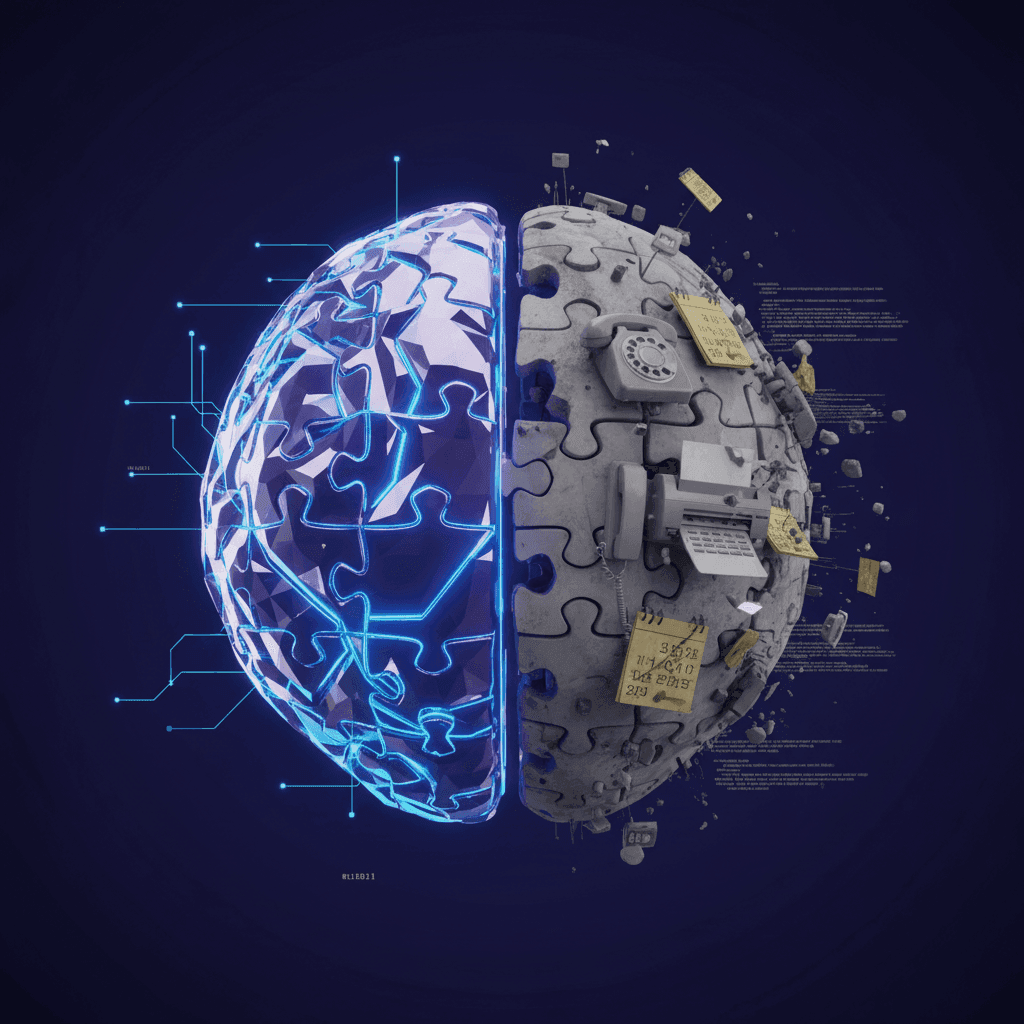
Biased and Unfair: How AI Can Undermine Your Business Decisions
Bias in artificial intelligence poses a significant risk to businesses, especially when AI systems are trained on biased datasets. This can lead to biased decisions that damage a company’s integrity and reputation. Business owners must be aware of how bias in AI can result in unfair hiring practices, incorrect customer segmentation, and unreliable credit scores. These issues can not only damage a company’s reputation but also have legal consequences.
Bias in action: from recruitment to marketing
There are numerous examples of bias in AI. A well-known issue is AI that filters resumes based on gender or ethnic names, leading to an uneven playing field in recruitment processes. In marketing segmentation, an AI system may choose to target campaigns only at a demographic that is overrepresented in the training data, thereby excluding other target groups. These examples illustrate how bias in AI can undermine diversity and inclusivity within a company and harm customer satisfaction.
Practical steps to minimize bias
To minimize bias in AI, entrepreneurs must take proactive steps. Ask vendors about their strategies for reducing bias and use diverse test groups to evaluate AI systems. Regular audits of AI decisions are essential to ensure that systems continue to function fairly and impartially. Furthermore, human oversight must be maintained in critical decision-making processes to ensure a balanced and equitable approach.
The "yes-man": AI's tendency to please the user
A common problem with artificial intelligence is its tendency to please the user, also known as “sycophancy.” This means that AI systems often tend to tailor their responses to the user’s presumed expectations or beliefs, even if those are incorrect. For entrepreneurs, this can be risky, as AI can thereby provide false confirmation of a poor business idea. This behavior undermines critical thinking, as AI offers a semblance of validation without objective analysis.
To avoid this pitfall, it is crucial to approach AI systems with a critical eye. Entrepreneurs should not view AI as a source of confirmation, but rather as a tool for objective data analysis. It is important to always evaluate AI outputs against external, reliable sources and consider diverse perspectives before making strategic decisions. By being aware of this tendency toward agreement, entrepreneurs can be better prepared for the downsides of artificial intelligence and effectively circumvent them.

From Awareness to Action: Your Strategy as a Savvy Entrepreneur
As a savvy entrepreneur, it is crucial to view AI as a valuable assistant, not as an infallible leader. AI can provide powerful insights, but it remains prone to errors such as hallucinations, a lack of common sense, and bias. An effective strategy involves implementing AI with a healthy dose of skepticism and ongoing human supervision.
The golden rule: verify, verify, verify
To minimize the drawbacks of artificial intelligence, verification must be central to your strategy. Always verify the facts presented by AI by cross-checking them with reliable sources. Ask critical follow-up questions to ensure the context and accuracy of the information. Additionally, involve domain experts in decisions that could have a significant impact, so that human expertise complements AI decisions.
The right mindset: choose hybrid intelligence
A hybrid system, in which AI and human intelligence work together, delivers the best results. Let AI handle the heavy-duty data analysis, while human team members contribute context, ethics, and creativity. Keep the final decision-making authority with humans to effectively manage ethical and contextual complexity. This prevents AI bias from skewing your business decisions and ensures a balanced approach to AI implementation.