Build vs Buy in 2026: How a custom automation saves you money in SaaS subscriptions
Many businesses are finding themselves ensnared in the SaaS subscription trap, where the allure of convenient, off-the-shelf solutions leads to an unsustainable accumulation of tools....
The SaaS Subscription Trap: Why Your OPEX is Bleeding Out
Many businesses are finding themselves ensnared in the SaaS subscription trap, where the allure of convenient, off-the-shelf solutions leads to an unsustainable accumulation of tools. This phenomenon, often referred to as 'subscription fatigue,' results in a bloated operational expenditure (OPEX) as companies subscribe to multiple services, many of which offer overlapping functionalities. This redundancy not only increases costs but also complicates the software architecture, leading to inefficiencies.
The hidden costs of SaaS bloat extend beyond the direct subscription fees. Integration maintenance becomes a significant burden, as disparate systems require constant updates and monitoring to ensure seamless operation within the enterprise resource planning system. Additionally, data silos are a common byproduct of using multiple platforms that do not communicate effectively, hindering the flow of information and stalling decision-making processes. This fragmentation can severely impact the business logic, as the lack of cohesive data insights hinders strategic planning.
As companies continue to innovate, the need for custom workflow automation is becoming evident. By creating tailored solutions that align with specific business needs, organizations can reduce OPEX by eliminating unnecessary subscriptions and optimizing workflows. Custom automation empowers businesses to streamline operations without relying on a one-size-fits-all approach, making it a strategic necessity for 2026. The ability to define and control software development life cycles internally ensures that systems evolve alongside business requirements, offering a competitive edge in an increasingly complex digital landscape.
Example 1: The End of Admin Platforms for Invoice Processing
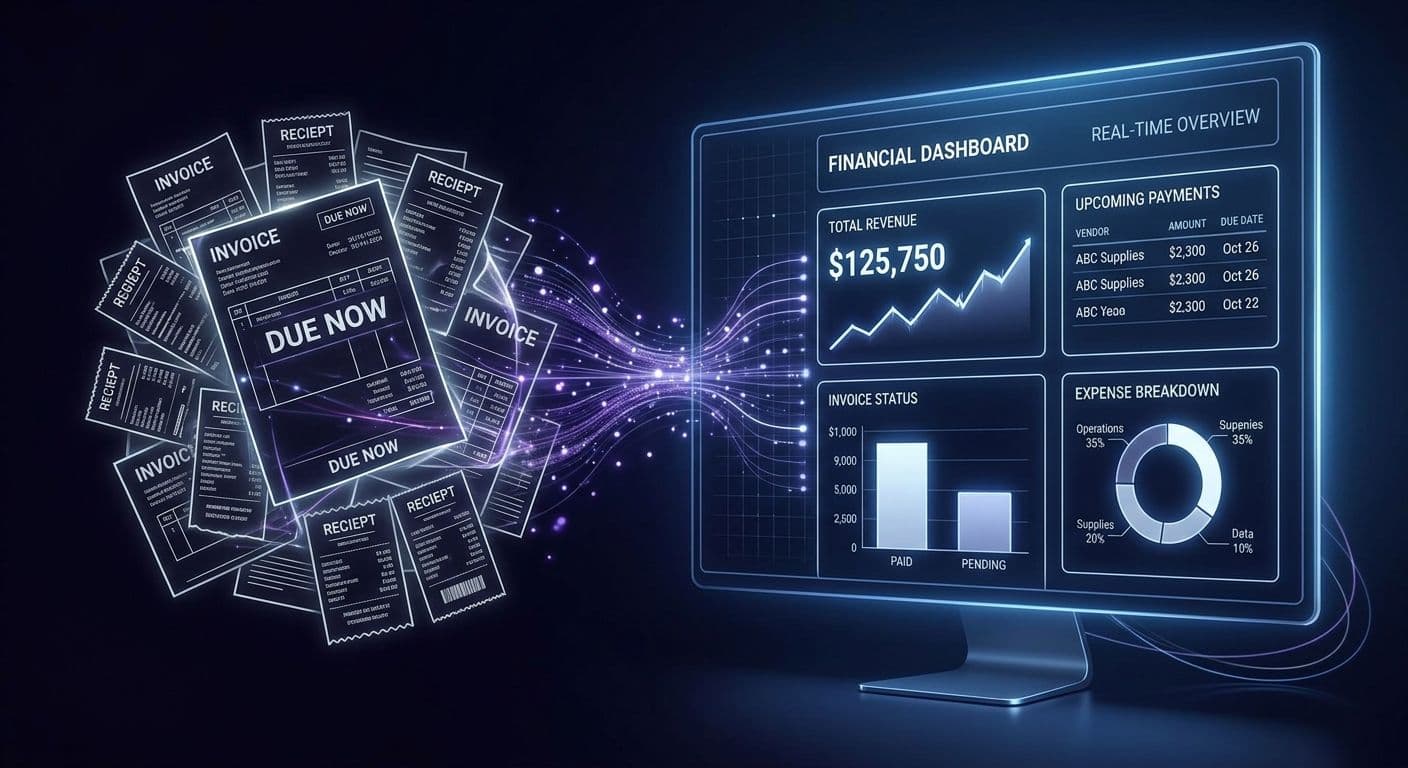
The reliance on dedicated admin platforms for tasks like invoice processing can be effectively replaced with a streamlined custom workflow, significantly reducing operational expenses. A typical process begins with the automatic scraping of incoming invoices, triggered via email or API. This data is then parsed using advanced technologies such as Large Language Models (LLMs) or Optical Character Recognition (OCR). Once the invoice data is extracted, it is pushed into a lightweight database solution like Airtable or Supabase, chosen for their flexibility and scalability. This setup allows for real-time data reconciliation against outgoing records, enabling the creation of a dynamic cash flow dashboard. Such a dashboard provides immediate insights into financial standings, eliminating the need for costly enterprise software. By implementing this custom workflow automation, businesses can move away from expensive enterprise resource planning systems, thereby reducing operational expenditure and enhancing agility. This approach not only optimizes the software development life cycle but also aligns with modern software architecture principles, providing a tailored solution that adapts to specific business needs.
Example 2: Replacing Expensive Marketing Automation Suites
Building a custom multi-channel messaging engine offers a cost-effective alternative to expensive marketing automation suites. By leveraging a database to store leads, combined with automation tools, businesses can create personalized messaging without the need for a $500/month CRM tool. Direct API integrations with email providers such as Postmark or Resend ensure seamless communication, reducing operational expenditures while maintaining high engagement levels.
Personalization at Scale
To achieve personalization at scale, integrating prompt engineering within your custom workflow automation is essential. Instead of relying on rigid template builders, use AI-driven tools to generate unique messaging tailored to each lead. This approach not only enhances engagement but also provides flexibility to adapt messages based on real-time data and behavioral cues, ensuring each interaction is relevant and impactful.
Cost Breakdown
The financial benefits of custom automation become clear when comparing costs. Enterprise platforms charge a flat monthly fee, often exceeding hundreds of dollars, regardless of usage. In contrast, a custom solution utilizing pay-as-you-go API consumption can significantly reduce costs. By paying only for the resources you use, businesses can optimize their budgets, making custom solutions a more sustainable financial strategy in the long term.
Example 3: Automating Customer Support Ticketing
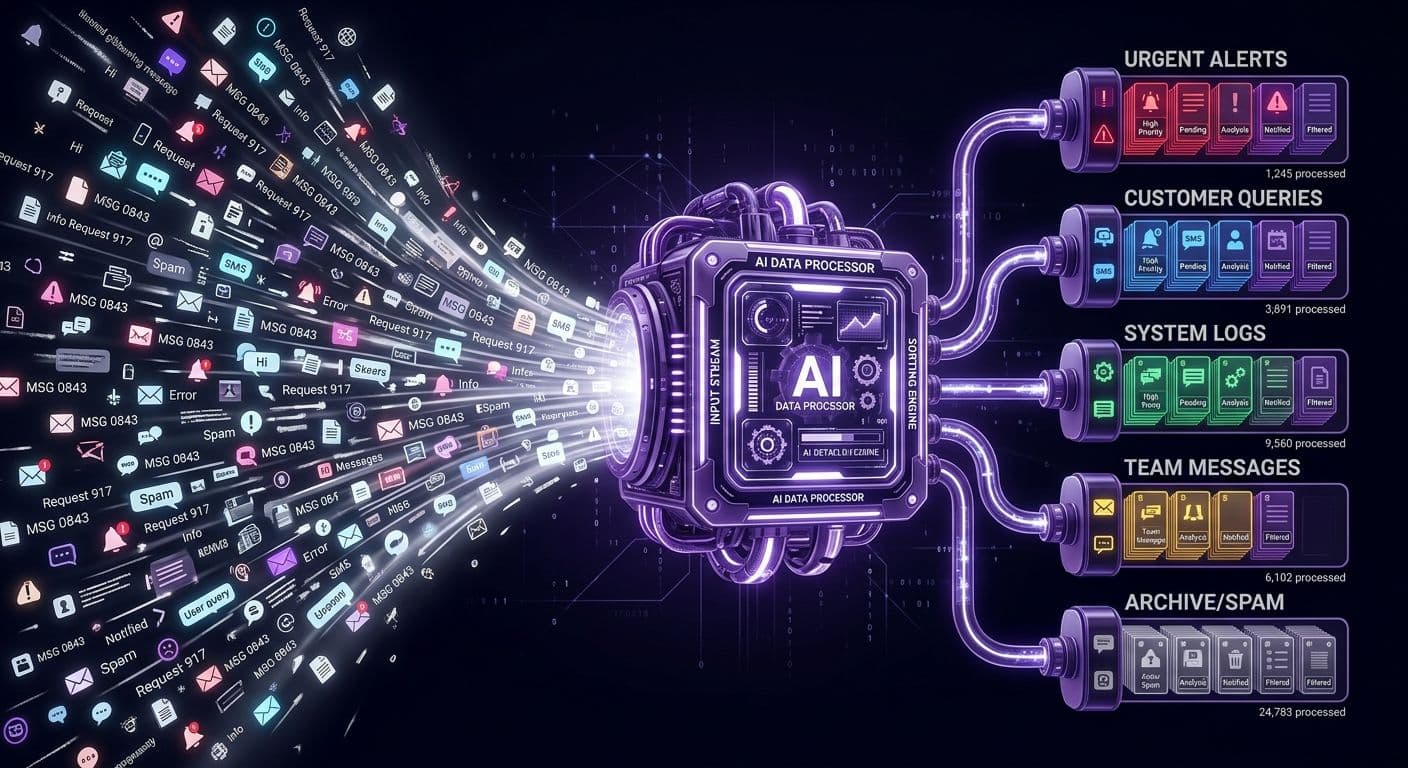
Automating customer support ticketing can drastically cut down on the costs associated with expensive helpdesk software solutions. By implementing a custom workflow automation vs enterprise software, businesses can reduce OPEX with custom business logic, creating a nimble and cost-effective system. The process begins when a customer query arrives in a designated inbox. An AI agent immediately triggers, analyzing the query to determine its intent and summarize the context. This intelligent assessment replaces the need for complex help desk software solutions.
Once categorized, the system routes the information directly to a Slack channel or an internal database. Here, team members receive a neatly summarized ticket with a suggested draft response, enabling quicker and more accurate replies. This streamlined approach not only saves on the subscription costs of traditional helpdesk software but also enhances response times and customer satisfaction. By leveraging such smart automations, software companies can tailor their support systems to meet specific needs without undergoing the entire software development life cycle associated with building enterprise resource planning systems. Such customization aligns with the evolving software architecture needs of modern businesses, offering a practical example of how a software company can optimize its resources and improve operational efficiency.
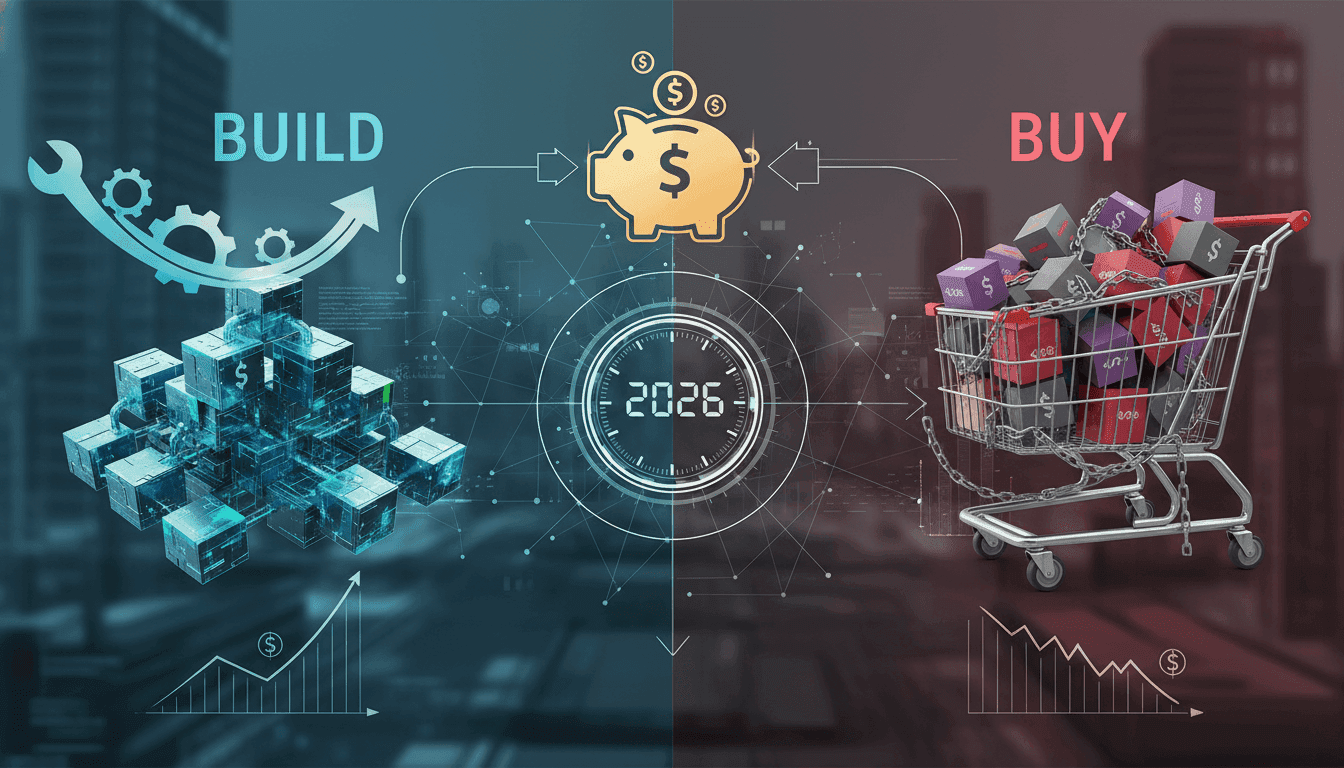
The Build vs. Buy Calculus for 2026
The decision to build or buy software solutions in 2026 hinges on several key factors. Organizations must weigh their unique needs against the capabilities of existing enterprise software. The 'Buy for Scale, Build for Logic' philosophy serves as a guide for making strategic choices. When evaluating whether to build a custom workflow automation or purchase enterprise software, consider core competencies, volume, and data nature.
Building a solution is often advantageous when the software supports core business logic that differentiates the company. For businesses dealing with high-volume operations or commodity data, custom automation can significantly reduce OPEX by tailoring processes to specific needs without the overhead of unnecessary features. This approach allows companies to maintain control over their software architecture and adapt quickly to changing demands.
Conversely, buying software is preferable when facing highly regulated compliance requirements or complex UX/UI challenges. Off-the-shelf solutions from established software companies often have the benefit of robust development and support, crucial for areas like helpdesk software solutions or enterprise resource planning systems. These solutions offer the scalability and reliability needed for compliance and user experience, reducing the risk associated with custom development.
Ultimately, the choice between building and buying should align with the organization's strategic goals, leveraging custom development for unique business logic while relying on proven solutions for scale and compliance.
Building Your Custom Tech Stack Without Hiring an Army
Creating a custom tech stack without hiring a large team is not only feasible but increasingly worth it because once set up, most automations need very low maintenance. With AccelyBiz, you get a partner that sets up everything in order and keeps it updated. We give your team a training to be able to confidently use the system and, if wished for, undertake light edits on their own. Plus, same as with comparing inhouse solutions to bought ones, you only pay for what you need, when you need it, saving you an immense amount of fixed cost.
The movement toward custom workflow automation is supported by the evolving software architecture landscape, where modularity and interoperability are key. As companies move away from monolithic enterprise resource planning systems, they embrace more nimble, tailored solutions. This shift not only reduces OPEX but also fosters innovation by allowing internal teams to iterate and improve processes continuously. By leveraging these tools, businesses can efficiently replace costly SaaS subscriptions with bespoke solutions that precisely align with their operational goals.