How to use AI image gen for your business - the right models, prompts, and use cases
Strategic implementation of AI-generated imagery can significantly enhance a business's visual strategy when applied correctly. AI excels in creating conceptual visuals and variations that can...
Strategic Implementation: Where AI Imagery Wins and Fails
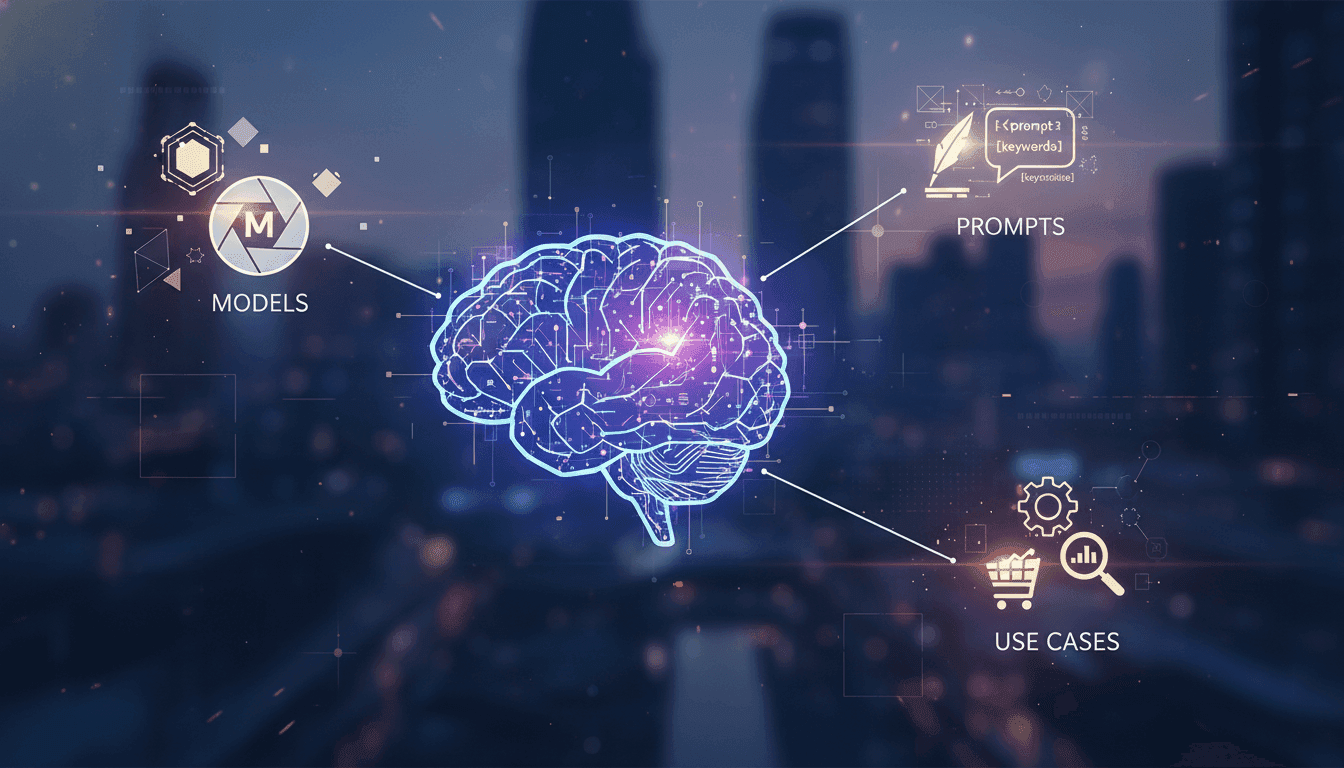
Strategic implementation of AI-generated imagery can significantly enhance a business's visual strategy when applied correctly. AI excels in creating conceptual visuals and variations that can be rapidly deployed across platforms. However, it also has limitations, particularly when precision and consistency are critical.
The 'Smart' Use Cases
AI imagery shines in high-volume, low-risk content areas. For instance, blog headers and presentation slides benefit from AI's ability to quickly generate diverse visuals that capture attention. Initial branding mood boards can also leverage AI to explore different creative directions without the need for costly design iterations. These applications allow businesses to streamline their AI asset creation workflow, making them agile and responsive to market trends.
Red Flags: When to Avoid AI
AI-generated imagery struggles in contexts where detail and accuracy are paramount. Product photography, which requires precise representation of scale and material, is not suited for AI due to its limitations in capturing realistic textures. Similarly, assets that need to maintain strict brand identity should be crafted manually to ensure consistency across various media. High-stakes legal documentation also demands human oversight, as AI's current capabilities cannot guarantee the level of precision required. In these scenarios, relying on AI could lead to brand dilution and customer dissatisfaction.
Mastering the Prompt: Engineering Your Output
Crafting effective prompts for AI-generated images involves more than simply stringing together a few words. The key to mastering the art of prompt engineering lies in a structured approach that considers multiple elements in harmony. Start by defining the subject clearly, specifying not just what you want to see, but also the action it should be performing. This might entail describing a person, object, or scene in precise terms. Next, outline the environment — where the subject is located can dramatically influence the generated output. Consider factors such as indoor or outdoor settings, urban or natural backdrops, or even more abstract environments.
Lighting and style are crucial to the aesthetic outcome. Whether you aim for a high-contrast, dramatic look or a soft, pastel ambiance, these details must be included in your prompt to guide the AI's interpretation toward your vision. Additionally, technical parameters, such as aspect ratio, resolution, or color schemes, should be specified to ensure the output meets your practical needs, especially if you're planning to use tools like an image resizer later.
Iteration is fundamental to refining your results. Experiment with different seeds to introduce subtle variations in image generation, helping you discover the most appealing outcomes. Negative prompts can also play a vital role by explicitly stating what you don't want in the image, thus steering the AI away from unwanted elements. Through careful adjustment and experimentation, you can enhance your AI asset creation workflow, ensuring the generated images align perfectly with your business needs.
Model Showdown: Choosing the Right Engine
Selecting the right AI image generation model depends heavily on your business needs and the specific outcomes you desire. For branding, creative exploration, or technical asset production, each model offers distinct advantages. Midjourney excels in delivering visually stunning and artistic outputs, making it ideal for companies focused on high-end aesthetics. DALL-E 3 stands out for its ability to interpret complex prompts and produce text-adherent images, which is invaluable for creating brand-consistent visual content. Meanwhile, Stable Diffusion offers extensive control and customization, catering to technical users who require precise asset manipulation.
Midjourney: The Visual Stylist
Midjourney is renowned for its ability to produce high-fidelity, artistic images that captivate audiences. Its strength lies in generating visually rich content that aligns with sophisticated art directions and branding requirements. This makes it the go-to choice for businesses that prioritize aesthetics and wish to create a memorable visual identity. By leveraging Midjourney, brands can ensure their visual assets are not only appealing but also aligned with their high-end market positioning.
DALL-E 3: The Conversationalist
DALL-E 3 is designed to excel in following complex instructions and generating images that adhere closely to the given text prompts. This capability is particularly useful for businesses that need to create images with legible typography or intricate visual elements that must adhere to specific branding guidelines. Its conversational nature allows for a more nuanced interaction, making it an excellent choice for generating brand-consistent imagery that requires a precise match to concept descriptions.
Stable Diffusion: The Power User's Toolkit
For those who demand a high level of control and customization, Stable Diffusion offers unparalleled flexibility. It supports advanced features such as control nets and LoRAs, enabling users to fine-tune their outputs to a granular level. This model is ideal for technical asset production where local or cloud-based professional customization is necessary. Its ability to be hosted locally also provides businesses with greater control over their data and image generation processes, ensuring compliance with specific operational requirements.
Navigating Ethics and Intellectual Property
In the realm of AI asset creation workflow, navigating ethics and intellectual property is crucial. AI-generated imagery raises significant copyright and ethical concerns. Currently, the legal landscape is a gray area, as laws have not fully caught up with the rapid advancements in AI technology. Businesses must be vigilant in understanding that AI outputs can inadvertently replicate copyrighted materials or resemble existing trademarks. To mitigate these risks, it's essential to implement watermarking as a standard practice, ensuring that all generated images are traceable and credited properly. Furthermore, each AI output should be meticulously reviewed for accidental trademark infringement, which can occur when AI models unknowingly generate images similar to existing logos or brand elements. This careful approach not only protects businesses legally but also upholds ethical standards in digital content creation.